Solar energy has become one of the most popular choices for Australian homeowners looking to reduce their electricity bills and environmental footprint. But how exactly do those sleek panels on your roof convert sunlight into usable electricity? This comprehensive guide breaks down the science in simple terms.
The Photovoltaic Effect: Where the Magic Happens
At the heart of every solar panel is the photovoltaic (PV) effect, a phenomenon first discovered in 1839 by French physicist Edmond Becquerel. Here's how it works:
- Sunlight hits the solar cells: Each panel contains multiple solar cells made primarily of silicon, a semiconductor material.
- Electrons get excited: When photons (light particles) strike the silicon, they knock electrons loose from their atoms.
- Electric current flows: The solar cell's structure creates an electric field that pushes these free electrons in a specific direction, creating direct current (DC) electricity.
Key Components of a Solar System
Solar Panels
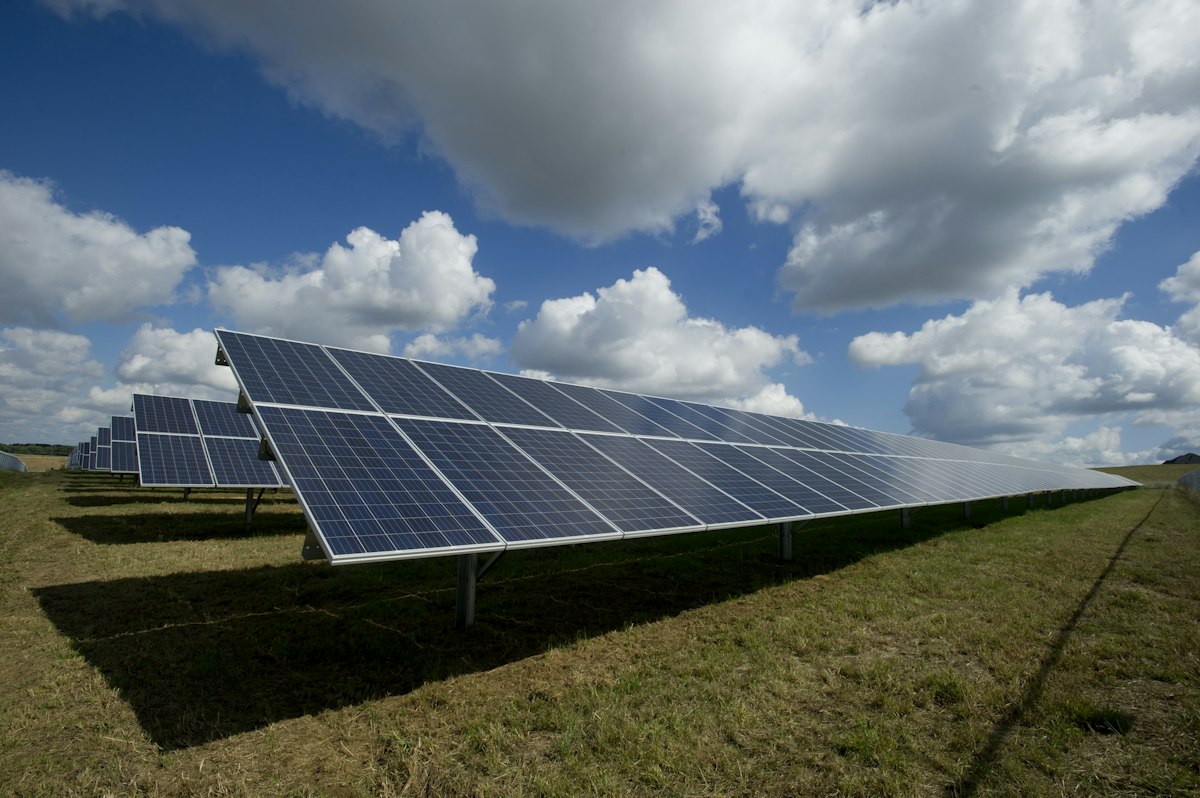
Modern solar panels typically use monocrystalline or polycrystalline silicon cells. Monocrystalline panels (identifiable by their black colour) are more efficient but cost more, while polycrystalline panels (blue in colour) offer a good balance of performance and value.
Inverter
Since your home appliances run on alternating current (AC), an inverter converts the DC electricity from your panels into usable AC power. Modern inverters also monitor system performance and can connect to apps on your phone.
Mounting System
The racking system secures your panels to the roof at the optimal angle. In Perth, this is typically around 30 degrees facing north to maximise sun exposure throughout the year.
Perth Advantage: With an average of 8.8 hours of sunshine per day, Perth is one of the sunniest capital cities in the world—making it ideal for solar power generation.
How Much Power Can You Generate?
A typical 6.6kW system in Perth can generate approximately 27-30 kWh per day on average. This is enough to power most Australian households, with excess energy either stored in batteries or exported to the grid for credits.
Factors Affecting Output:
- Panel orientation and tilt angle
- Shading from trees or buildings
- Panel quality and efficiency rating
- Temperature (panels work more efficiently in cooler conditions)
- Regular cleaning and maintenance
Grid Connection and Net Metering
Most Perth homes remain connected to the electricity grid. This means:
- You draw power from the grid when your panels aren't producing (at night)
- Excess power is exported to the grid during peak production
- You receive a feed-in tariff for exported electricity
Making the Most of Your Solar Investment
To maximise your savings:
- Run high-energy appliances (washing machine, dishwasher, pool pump) during daylight hours
- Consider a battery storage system to use solar power at night
- Keep panels clean and free from debris
- Monitor your system's performance regularly
Ready to Harness the Sun's Power?
Get a free quote and find out how much you could save with a custom solar solution for your Perth home.
Get Your Free Quote